

Pixel 11 could finally fix its biggest weakness and rival iPhone and Galaxy
News
Mar 18, 2026
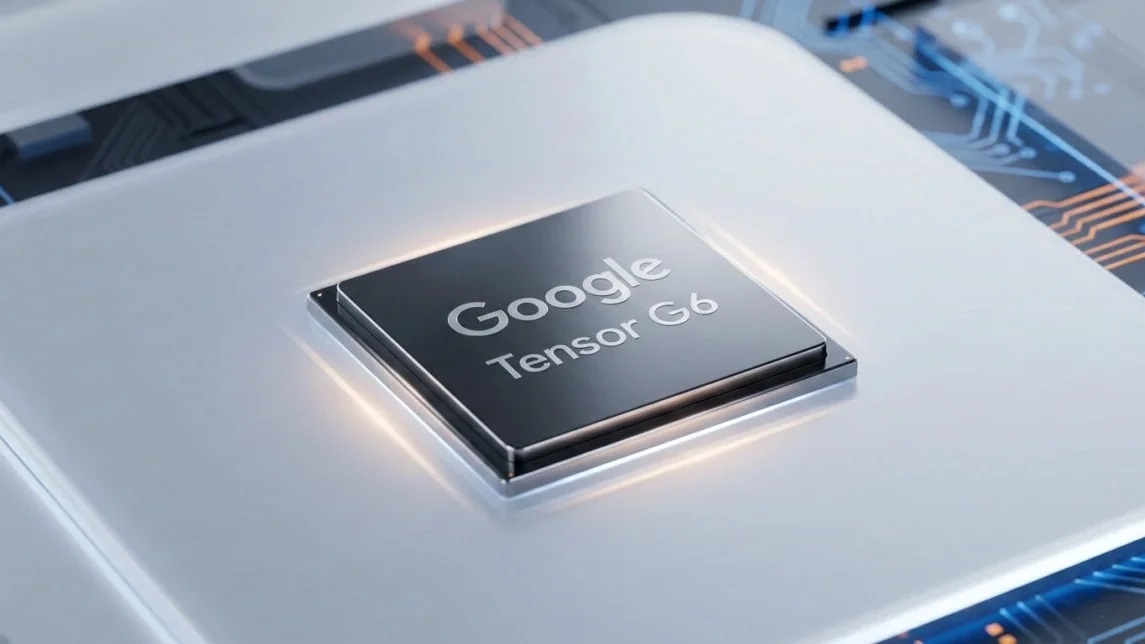
Pixel smartphones have evolved from niche devices into serious flagship competitors, but one key issue still holds them back - performance. The main limitation comes from Google’s in-house Tensor chips, which continue to lag behind rivals in speed, efficiency, and overall stability.
Google’s shift to custom silicon in 2021 was a bold move, but early Tensor generations suffered from overheating, throttling, weak modem performance, and poor battery life. The company prioritized AI capabilities, yet in real-world usage, users still value raw power and reliability more.
Even with the Tensor G5, improvements remain limited. Despite switching production to TSMC, the chip still struggles with heat under load, while battery gains are modest. Compared to Apple and Samsung flagships, Pixel devices continue to fall behind in both benchmarks and everyday performance.
Meanwhile, competitors are pushing forward. Snapdragon chips optimized for Galaxy devices deliver strong performance and stable connectivity, while Apple continues to dominate with its A-series processors, maintaining a noticeable lead despite growing competition from Qualcomm and MediaTek.
The upcoming Pixel 11 could change the narrative. The new Tensor G6 is expected to feature a redesigned architecture, higher clock speeds, and possibly a 2nm manufacturing process. Upgrades may also include a new GPU and a more reliable modem from MediaTek.
If these improvements deliver, Pixel 11 could finally compete on equal footing with iPhone and Galaxy. For Google, this is a шанс to eliminate its biggest weakness and turn Pixel into a true no-compromise flagship.

Related
News
Feb 10, 2026
News
Apr 14, 2026
Latest
Jul 31, 2026
News
May 29, 2026
News